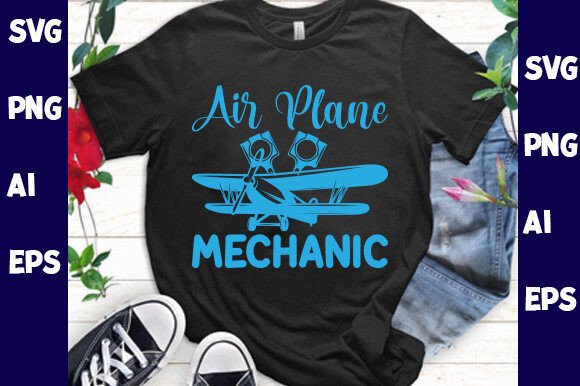
Airplane Mechanic T-shirt
The aviation industry relies heavily on the precision, dedication, and technical expertise of its maintenance crews. For those who work in hangars or study aerospace engineering, expressing this professional identity through apparel is a common practice. The Airplane Mechanic T-shirt has emerged as a popular choice for both personal wear and commercial merchandise, particularly among hobbyists and small business owners looking to create custom gear. This article evaluates the digital assets associated with this design—specifically SVG cut files—and explores their utility for DIY projects and handmade product lines.
Understanding the Digital Asset
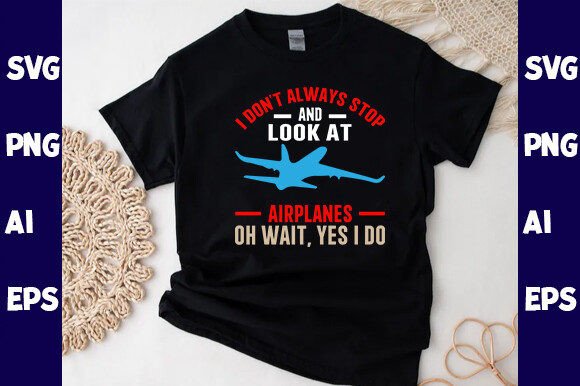
When discussing an "Airplane Mechanic T-shirt" in the context of digital downloads, the focus shifts from a pre-made garment to the digital blueprint required to create one. These products are typically sold as digital artwork ready for immediate download. The core component is the vector file, which allows for scaling without loss of quality. This is crucial because a design that looks crisp on a standard t-shirt needs to remain sharp when applied to larger items like wood signs or smaller items like mug decals.
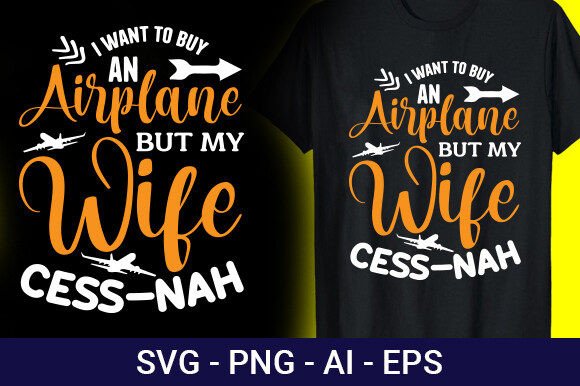
The package usually includes multiple file formats to ensure compatibility across different software platforms. Specifically, users receive:
- 1 SVG File: Scalable Vector Graphics are the industry standard for cutting machines. They contain path data rather than pixel data, allowing the design to be resized infinitely.
- 1 PNG File: A raster image format with a transparent background, useful for printing or quick previews in non-cutting software.
- 1 AI File: Adobe Illustrator native file, offering full editing capabilities for advanced users who wish to modify colors, fonts, or layout elements before production.
- 1 EPS File: Encapsulated PostScript, a widely supported vector format compatible with many graphic design programs beyond Adobe’s ecosystem.
Software Compatibility and Workflow
One of the primary considerations for anyone entering the world of vinyl cutting or laser engraving is software interoperability. The Airplane Mechanic T-shirt design is engineered to work seamlessly with major cutting software ecosystems, including Cricut Design Space and Silhouette Studio. These platforms dominate the consumer and prosumer market, making accessibility a key selling point.
For users of Cricut Design Space, the SVG file can be uploaded directly, where it will be recognized as a cuttable shape. Users can then adjust the size relative to their material roll width. Similarly, Silhouette Studio users can import the SVG or EPS file to utilize the software’s advanced node-editing features if minor adjustments to the mechanic’s tools or text are desired. This cross-platform support reduces the learning curve and technical barriers for new crafters.
Versatility in Application
The value of this digital artwork extends far beyond a single t-shirt. Because the design is vector-based, it adapts to various substrates and manufacturing methods. Here is an evaluation of how this asset fits into different project categories:
Apparel and Textiles
Beyond t-shirts, the design works well on hoodies, polo shirts, and caps. When using heat transfer vinyl (HTV), the clean lines of the airplane mechanic theme translate well to fabric. It also serves as a durable print for sublimation on polyester blends. The durability of the final product depends less on the file and more on the application technique, but the high-resolution nature of the SVG ensures no jagged edges during the weeding process.
Home Decor and Signage
Aircraft enthusiasts often decorate garages, workshops, or home offices. Transferring the design onto wood signs via CNC routing or laser engraving is a strong fit. The bold graphics typical of mechanic-themed designs stand out well against natural wood grain. Additionally, pillow cases and tote bags offer softer alternatives for displaying the motif, appealing to a broader audience who may not wear workwear daily.
Promotional and Party Items
The design is equally effective for event-specific merchandise. Mugs, tumblers, and cards benefit from the compact nature of the artwork. For aviation-themed parties or retirement celebrations for mechanics, these items serve as tangible keepsakes. Aprons are another practical application, suitable for BBQs or garage gatherings where the wearer wants to display their profession while working.
Evaluating Tradeoffs and Considerations
While digital cut files offer convenience, there are tradeoffs to consider. The most significant factor is the requirement for specific hardware. To fully utilize the SVG file, you need a cutting machine such as a Cricut Maker, Cricut Explore, Silhouette Cameo, or a compatible laser cutter. Without this equipment, the digital file remains unused unless outsourced to a third-party printer, which adds cost and reduces profit margins for sellers.
Another consideration is the complexity of the design. Some mechanic-themed artworks include intricate details, such as wrenches, gears, or detailed aircraft silhouettes. Highly detailed SVGs require more time to weed (remove excess vinyl) and can be prone to tearing if the vinyl is low quality. Buyers should inspect sample images of the design to gauge its level of detail. If the design contains very fine text or tiny mechanical parts, it may not reproduce well on textured surfaces like certain fabrics or rough wood.
Licensing is also a critical aspect of digital purchases. Most creators grant a limited commercial license, allowing the buyer to sell physical items made from the design but prohibiting the resale of the digital file itself. Understanding these terms is essential for those building a handmade business product line to avoid legal issues.
When Is This Fit Appropriate?
This digital asset is a strong fit for individuals who:
- Own a cutting machine: If you already have a Cricut or Silhouette, adding this file expands your catalog immediately.
- Target niche audiences: Aviation is a passionate niche. Customers in this space often seek specialized gear that reflects their career or hobby.
- Want to start a side hustle: The low upfront cost of a digital file compared to inventory makes it an accessible entry point for Etsy sellers or craft fair vendors.
Conversely, alternatives may be worth considering if:
- You lack hardware: If you do not own a cutter, purchasing a pre-printed shirt or using a print-on-demand service might be more efficient.
- You need unique branding: Generic mechanic designs are common. If you are building a brand identity, hiring a custom illustrator to create a unique logo might provide better long-term differentiation.
- You require complex color gradients: Vinyl cutting is generally limited to solid colors. If the design relies on subtle shading or photography-like realism, direct-to-garment (DTG) printing or sublimation would be superior techniques, requiring different file preparation.
Practical Decision-Making Insights
To determine if the Airplane Mechanic T-shirt digital asset aligns with your goals, evaluate your current workflow and target market. Ask yourself if the aesthetic matches the preferences of your local community or online audience. Test the design by creating a single sample item before committing to bulk production. Check the scalability by zooming in on the SVG nodes in your software; if the paths are clean and logical, the file is likely high-quality.
Ultimately, the success of using this asset depends on execution. A well-applied design on a high-quality garment or product will resonate with aviation professionals and enthusiasts alike. By understanding the technical requirements and potential applications, buyers can make informed decisions that maximize the utility of their digital purchases.