Christmas Gnomes: A Practical Analysis of Digital Crafting Assets
The intersection of seasonal tradition and digital fabrication has created a robust market for specialized graphic assets. Among the most enduring motifs in this space is the Christmas gnome, a design element that has evolved from simple folk art into a versatile commercial staple. For creators, small business owners, and serious hobbyists, the availability of high-quality, multi-format digital files for Christmas Gnomes represents more than just a festive decoration; it is a functional tool for production efficiency and creative consistency.
This analysis focuses on the practical utility of digital Christmas Gnome assets, specifically examining the value proposition of comprehensive file bundles. These packages typically include SVG, transparent PNG, JPG, and EPS formats, delivered in high resolution within a zipped folder. Understanding the technical specifications and workflow implications of these assets is crucial for determining their suitability for various DIY projects or handmade business product lines.
Understanding the Asset Format Ecosystem
The primary strength of modern crafting assets lies in their format versatility. A single design intended for a physical product requires different file structures depending on the output method. The inclusion of multiple formats in a standard bundle addresses this fragmentation directly.
SVG (Scalable Vector Graphics) remains the industry standard for cutting machines like Cricut and Silhouette. Unlike raster images, SVGs are vector-based, meaning they can be scaled to any size without losing quality or introducing pixelation. This is critical for users who need to resize a gnome design from a small card accent to a large wood sign without purchasing separate licenses or dealing with blurry outputs. The precision of the vector paths ensures clean cuts on vinyl, cardstock, and other materials.
EPS (Encapsulated PostScript) files serve a similar purpose to SVGs but are often preferred by professional designers using Adobe Illustrator or CorelDRAW. They offer broader compatibility with desktop publishing software, making them essential for entrepreneurs who integrate craft designs into larger marketing materials, such as brochures or website banners. Having an EPS file included allows for seamless transition between hobbyist cutting and professional graphic design workflows.
PNG and JPG formats cater to non-cutting applications. Transparent PNGs are indispensable for digital scrapbooking, social media graphics, and photo overlays where background removal is necessary. High-resolution JPGs provide ready-to-print options for invitations, greeting cards, and direct printing on sublimation blanks. While these do not support cutting paths, their immediate usability saves time for users who prioritize printing over cutting.
Quality and Technical Performance
When evaluating digital assets, resolution and file integrity are paramount. "High resolution" in the context of digital downloads usually implies a DPI (dots per inch) count sufficient for print production, typically 300 DPI for raster images. However, the true measure of quality in vector files is the cleanliness of the node structure and the logical grouping of elements.
Well-constructed Christmas Gnome SVGs should feature grouped layers. This allows users to isolate specific components—such as the hat, beard, or belt—for color customization or individual scaling. Poorly constructed files often result in merged paths that require manual tracing or complex ungrouping, which can degrade the original design intent. Professional-grade assets minimize post-processing time, allowing the creator to focus on assembly rather than file repair.
Furthermore, the reliability of the cut lines is a significant factor. Inconsistent stroke weights or overlapping paths can cause cutting machines to misinterpret instructions, leading to wasted material and frustrated users. A well-tested asset ensures that the design behaves predictably across different machine models and material types, from adhesive vinyl to thick chipboard.
Practical Applications and Workflow Integration
The versatility of these files supports a wide array of applications, each requiring different handling techniques. For small business owners producing holiday merchandise, the ability to use the same asset across multiple product categories maximizes return on investment.
- Vinyl Decals and Tumblers: The SVG format excels here. Users can layer colors to create depth, such as separating the gnome’s red hat from its white beard for distinct vinyl cuts. This layered approach adds professional polish to tumblers and mugs.
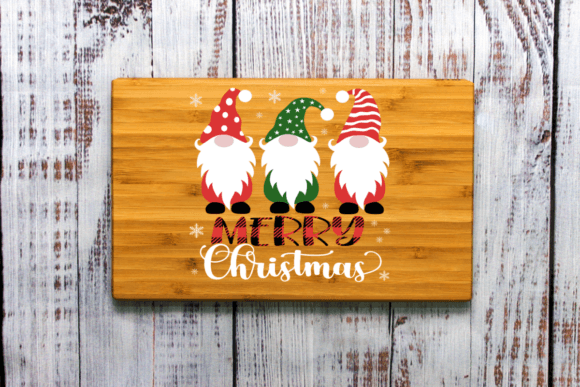
- Wood Signs and Ornaments: The precision of vector cuts allows for intricate details on rigid materials. Whether using a laser cutter or a blade plotter, the clean edges of a high-quality SVG ensure that fine details, like facial features or patterned clothing, remain sharp.
- Stationery and Paper Crafts: For card makers and scrapbookers, the transparent PNGs allow for easy integration into digital layouts before printing. Alternatively, the SVG can be used to cut out physical embellishments that are then adhered to paper cards, adding texture and dimension.
- Apparel and Textiles: Sublimation printing benefits from the high-resolution JPG or PNG files. The vibrant colors and clear details reproduce well on t-shirts and tote bags, provided the source file meets the printer’s minimum resolution requirements.
For educators and bloggers, these assets serve as excellent teaching tools. Demonstrating how to prepare files for different machines or showing the difference between vector and raster editing becomes tangible when using real-world examples like Christmas Gnomes. The variety of formats allows instructors to cover a broad spectrum of digital crafting skills in a single lesson.
Evaluating Long-Term Value and Limitations
While the convenience of a multi-format bundle is undeniable, users must consider licensing and usage rights. Most digital downloads for personal use come with restrictions on commercial redistribution. Entrepreneurs must verify whether the license permits selling finished goods made from the design. Typically, creating physical items for sale is allowed, but reselling the digital files themselves is prohibited. Clear understanding of these terms protects both the buyer and the creator.
Another consideration is the aesthetic longevity of the design. Seasonal trends can shift rapidly. While the gnome motif has proven resilient, overly stylized or dated interpretations may feel less relevant in subsequent years. Neutral or classic designs tend to have a longer shelf life, appealing to a broader audience over time. When selecting assets, looking for timeless elements—such as traditional color palettes and recognizable silhouettes—can enhance the long-term value of the purchase.
Technical limitations also exist. Not all cutting machines handle complex, multi-layered files equally well. Older or lower-end models may struggle with files containing numerous nested groups or tiny detail paths. Users should test files on scrap material before committing to expensive substrates. Additionally, while SVGs are scalable, extremely small sizes may result in lost detail during the cutting process due to blade width limitations. Designers and users alike should be mindful of minimum size constraints for optimal results.
Who Benefits Most from These Assets?
The ideal user for this type of digital asset package is someone who values efficiency and versatility. Freelance graphic designers who occasionally dabble in physical prototyping will appreciate the EPS and SVG combination. Small business owners running Etsy shops or local markets benefit from the ability to produce diverse products—from cards to decals—using a single core design. Serious hobbyists who enjoy experimenting with different mediums will find the range of formats liberating, allowing them to switch between cutting and printing without seeking additional resources.
Conversely, users who strictly work in one medium may find some formats redundant. A dedicated sublimation artist might only need the high-resolution JPG or PNG, rendering the SVG and EPS files unnecessary for their immediate workflow. However, even in these cases, having the vector file available provides a safety net for future needs or unexpected project requirements.
Conclusion
Digital Christmas Gnome assets represent a practical convergence of traditional holiday imagery and modern digital fabrication technology. The inclusion of SVG, PNG, JPG, and EPS formats in a single, high-resolution package offers significant flexibility for a wide range of applications. From precise vinyl cuts on tumblers to detailed paper crafts, these files streamline the production process and enhance the quality of final products.
Success in utilizing these assets depends on understanding their technical strengths and limitations. By prioritizing clean file construction, verifying usage rights, and matching the format to the appropriate production method, creators can maximize the value of their digital purchases. Whether for personal enjoyment or commercial enterprise, well-chosen digital assets serve as reliable tools that bridge the gap between creative vision and tangible reality. As the holiday season approaches, investing in high-quality, versatile design files remains a strategic move for anyone looking to produce polished, professional-looking holiday creations efficiently.