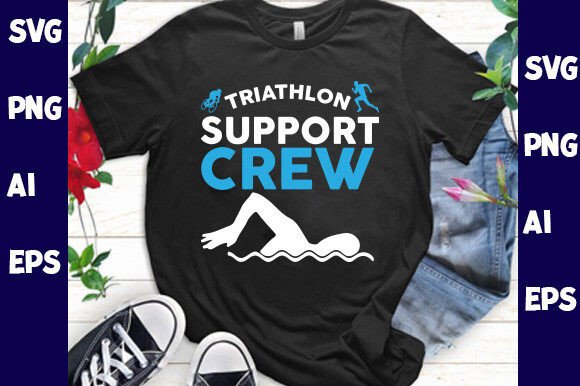
Triathlon Shirt Digital Artwork: A Practical Guide to SVG Cut Files for DIY and Commercial Use
The world of triathlon is defined by precision, endurance, and a distinct aesthetic that blends athletic performance with community pride. For crafters, small business owners, and DIY enthusiasts, capturing this spirit on physical products requires more than just a generic sports graphic. It demands specific, high-quality digital assets that translate seamlessly from screen to material. This article explores the utility of Triathlon Shirt digital artwork—specifically SVG cut files—and evaluates how they fit into various production workflows, comparing their advantages against other design formats and methods.
Understanding the Core Asset: What Is an SVG Cut File?
Before evaluating the specific appeal of a Triathlon Shirt design, it is essential to understand the medium through which it is delivered. The primary file type mentioned in this context is the SVG (Scalable Vector Graphics) format. Unlike raster images such as JPEGs or standard PNGs, which are made of pixels, SVGs are composed of mathematical paths. This distinction is critical for anyone using cutting software like Cricut Design Space or Silhouette Studio.
When you download a package containing an SVG file for a Triathlon Shirt design, you are receiving a vector-based image that can be scaled to any size without losing resolution. Whether you are designing a small patch for a cycling jersey or a large banner for a race finish line, the lines remain crisp and clean. This scalability is the primary reason why SVGs are the industry standard for vinyl cutting, laser engraving, and plotter-based crafting.
File Format Breakdown
A comprehensive digital art package typically includes multiple formats to ensure compatibility across different software ecosystems. A standard delivery for this type of product usually includes:
- SVG File: The primary vector file used for cutting machines. It contains the path data required for blades and lasers to follow.
- PNG File: A high-resolution raster image with a transparent background. This is useful for printing via inkjet or laser printers, or for use in non-cutting design software.
- AI File: The native Adobe Illustrator file. This allows professional designers to edit colors, layers, and vectors before exporting to other formats.
- EPS File: An Encapsulated PostScript file, often used in professional printing environments and compatible with a wide range of vector editing programs beyond Adobe’s suite.
Comparing Triathlon Shirt Designs: Vinyl vs. Direct-to-Garment
When creating merchandise related to triathlons, creators must decide between two primary production methods: vinyl cutting (using SVG files) and Direct-to-Garment (DTG) printing. Understanding the tradeoffs between these approaches helps determine if a Triathlon Shirt SVG file is the right choice for your project.
The Case for Vinyl Cutting with SVGs
Vinyl cutting offers several distinct advantages for hobbyists and small-batch sellers. First, there is no minimum order quantity. You can produce one shirt at a time with the same efficiency as producing fifty. Second, vinyl provides a durable, waterproof finish that withstands sweat and washing better than many printed inks. For a sport like triathlon, where gear is subjected to water and friction, vinyl’s resilience is a significant benefit.
Furthermore, SVG files allow for intricate detail. A well-designed Triathlon Shirt graphic can include thin lines for swim strokes, bike frames, and running shoes that would be difficult to reproduce consistently with DTG printing, especially on dark fabrics. The contrast provided by colored vinyl against black or navy shirts creates a bold, professional look immediately recognizable in competitive settings.
Limitations of Vinyl and When to Look Elsewhere
However, vinyl is not without its drawbacks. The process is labor-intensive. Weeding—the removal of excess vinyl—is time-consuming, particularly with complex designs. Additionally, vinyl has a limited color palette per sheet. If a Triathlon Shirt design requires five different colors, you must align and apply five separate vinyl sheets, increasing production time and the risk of misalignment.
In contrast, DTG printing excels at photorealistic gradients and multi-color designs in a single pass. If your goal is to create a highly detailed, full-color illustration of a triathlete rather than a stylized logo or text-based design, DTG may be the superior option. In such cases, an SVG file might not be sufficient, and a high-resolution PNG or TIFF file would be necessary.
Application Versatility: Beyond T-Shirts
One of the strongest arguments for investing in a Triathlon Shirt SVG package is its versatility. While the name suggests apparel, the digital nature of the file allows for application across a wide array of substrates. This flexibility makes it a valuable asset for makers looking to diversify their product lines.
Hard Goods and Accessories
Triathletes are known for their specialized equipment. A Triathlon Shirt design can be applied to:
- Tumblers and Water Bottles: Vinyl decals adhere well to stainless steel surfaces, making them ideal for hydration accessories.
- Laptop Sleeves and Tote Bags: Fabric-compatible vinyl or heat-transfer vinyl (HTV) can transform plain bags into branded gear.
- Wood Signs and Plaque: Laser-engraved versions of the SVG design work beautifully on wood, perfect for home office decor or race-day milestones.
Event Decor and Paper Crafts
The digital file also serves those involved in event planning. Using the PNG version, organizers can print banners, flyers, and party decorations. The AI and EPS files allow event coordinators to adjust typography or layout to match specific race themes. For example, a local club might modify the "Triathlon Shirt" text to read "Club Name Sprint Tri," leveraging the original vector structure while customizing the message.
Evaluating Quality and Usability
Not all digital artwork is created equal. When selecting a Triathlon Shirt design for commercial or personal use, buyers should evaluate the quality of the vector paths. Poorly constructed SVGs may have overlapping nodes, unnecessary anchor points, or broken paths, leading to cutting errors or messy weeding.
Look for designs that are grouped logically. A high-quality file will have separate layers for different colors or elements, allowing the user to isolate specific parts of the design. For instance, being able to cut the text "Triathlon" in white vinyl and the graphic element in blue separately provides greater control over the final appearance.
Additionally, consider the licensing terms. If you intend to sell products featuring the Triathlon Shirt design, ensure the license permits commercial use. Some digital artists offer personal-use-only licenses, while others provide extended licenses for up to 500 or unlimited sales. Understanding these distinctions protects your business from legal issues and ensures fair compensation for the creator.
Decision Factors: Is This Right for You?
Determining whether a Triathlon Shirt SVG file fits your needs depends on your goals, tools, and technical comfort level.
Choose This Option If:
- You own a cutting machine (Cricut, Silhouette, etc.) and want to produce durable, long-lasting merchandise.
- You prefer a streamlined workflow with minimal setup time compared to screen printing or DTG.
- You need versatile files that can be used for both fabric and hard goods.
- You are starting a handmade business and require scalable assets that do not degrade when resized.
Consider Alternatives If:
- You require photorealistic imagery with complex shading and gradients; in this case, high-res raster files are better suited.
- You are producing large-scale runs (hundreds of units) where screen printing offers lower per-unit costs.
- You lack access to cutting machinery and do not wish to invest in one; direct printing services may be more convenient.
Conclusion
The Triathlon Shirt digital artwork package represents a practical solution for creators looking to tap into the active lifestyle market. By providing a mix of SVG, PNG, AI, and EPS files, it caters to a broad spectrum of users, from casual crafters to professional small-business owners. Its strengths lie in durability, scalability, and cross-platform usability. While it may not replace DTG printing for every scenario, it remains a powerful tool for producing high-impact, personalized gear. As with any creative investment, success depends on choosing the right format for the intended application and understanding the capabilities of your chosen production method.